Jellyfish Embroidery Design Review
First Impressions of Jellyfish
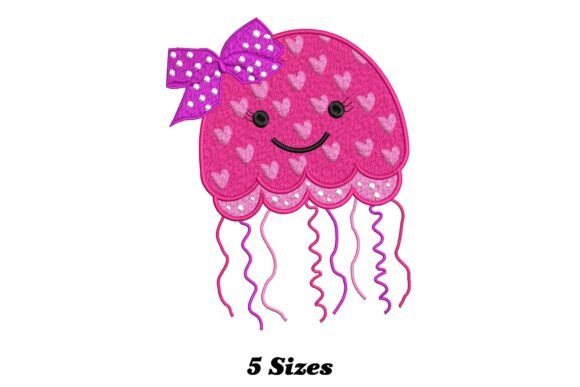
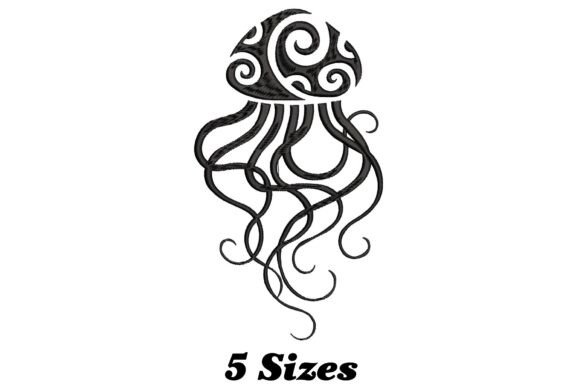
The Jellyfish embroidery design immediately catches the eye with its whimsical, flowing form. The shape is soft and organic, evoking a sense of calm and playfulness. It’s not overly complex, but it has enough detail to feel engaging without being overwhelming. The layout is balanced, making it suitable for a variety of projects. This design feels like it belongs on casual, everyday items that need a touch of charm.
Real-Life Use Cases for Jellyfish
Imagine preparing a custom embroidered tote bag for a client who wants something unique yet functional. Jellyfish would work well as a central motif, adding a playful element without overpowering the design. On a sweatshirt, it could be a subtle accent or a bold statement, depending on placement and color choice. For baby items, the gentle curves and friendly appearance make it an ideal choice for onesies or blankets.
As an embroidered patch, Jellyfish could be used on jackets or backpacks, offering a fun and recognizable design. On a pillow cover or kitchen towel, it adds a quirky, homey touch that stands out without being too flashy. For holiday gifts, it could be part of a larger design or stand alone as a simple, thoughtful addition.
Where Jellyfish Shines in Embroidery Projects
Jellyfish performs well on flat, smooth fabrics where the stitches can lay evenly. It’s especially effective when using satin stitch and fill stitch techniques, which bring out the design’s texture and depth. The design works well with both light and dark thread colors, allowing for versatility in different settings.
For small business owners and Etsy sellers, this design can be a valuable asset in creating handmade products that appeal to a wide audience. Its simplicity makes it easy to incorporate into printable mockups or digital product previews, helping to showcase the finished product effectively.
Where to Be Cautious with Jellyfish
While Jellyfish is generally versatile, there are some situations where care is needed. On small hoop sizes, the design might require careful placement to ensure all elements are captured properly. Textured fabrics can sometimes distort the stitches, so testing on scrap fabric is recommended before committing to a project.
Thin or stretchy fabrics may cause the design to pucker or lose definition. Dark fabrics can also pose challenges if the thread color doesn’t contrast well. When working with layered garments or curved surfaces like caps, the design may need adjustments to fit properly and maintain visual clarity.
Impact on Visual Appeal and Customer Perception
Jellyfish adds a distinctive visual element that can elevate the overall look of any embroidered item. Its playful nature makes it appealing for personalized gifts and custom apparel, where individuality is key. The design’s clarity and consistency contribute to a professional finish, which helps build customer trust and brand recognition.
For handmade products, Jellyfish can enhance the perceived value by offering a unique and well-crafted design. It’s also a great choice for commercial embroidery projects, where reliability and quality are essential. As a digital embroidery file, it can be easily adapted for various applications, making it a flexible tool for creative entrepreneurs.
Practical Designer Notes for Using Jellyfish
Before using Jellyfish in any project, it’s wise to test the design on scrap fabric. This allows you to see how the stitches interact with the material and make any necessary adjustments. Checking thread color contrast is important to ensure the design stands out as intended.
Reviewing the stitch density will help determine if the design is suitable for your project’s needs. Confirming the correct hoop size ensures the design fits properly and maintains its integrity during stitching. Inspecting small details, such as corners and edges, can prevent issues during the final embroidery process.
Testing the design in black and white mockups can reveal how it appears without color, which is useful for understanding its visual impact. Comparing it on light and dark fabric backgrounds helps choose the best options for different projects. Using the right stabilizer is crucial for maintaining the design’s shape and preventing puckering.
Final Thoughts on Jellyfish
Jellyfish is a versatile and charming embroidery design that offers a range of possibilities for creative professionals and hobbyists alike. Its friendly, flowing shape makes it ideal for a variety of projects, from custom apparel to home decor. While it requires attention to detail in certain situations, its overall performance and visual appeal make it a valuable addition to any embroidery collection.
Whether you’re an Etsy seller, a craft business owner, or a hobbyist looking to expand your creative options, Jellyfish provides a practical and stylish solution for your next project. With proper preparation and consideration, it can become a standout element in your handmade products and digital design assets.