Delicate Rose: A Review for Real Projects
As an embroidery designer and product reviewer, I’ve seen my fair share of machine embroidery designs. But when I first laid eyes on the Delicate Rose, I was struck by its elegance and simplicity. It’s not just another flower design—it’s a versatile piece that can elevate a wide range of projects. Let me walk you through how this design performs in real-life use and where it truly shines.
The First Impression: Elegance in Simplicity
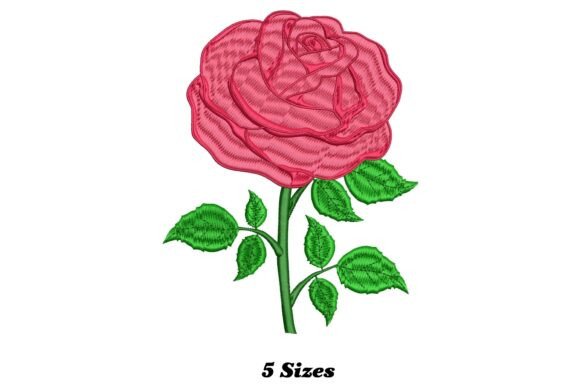
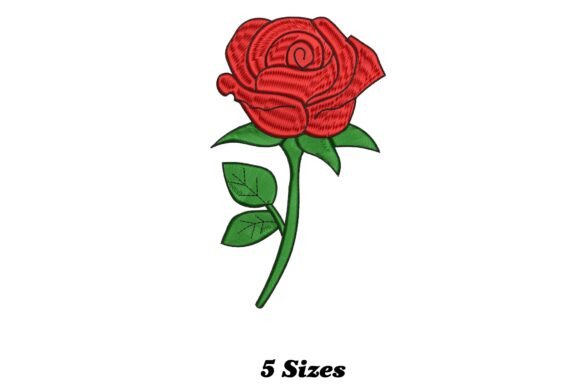
Delicate Rose immediately conveys a sense of softness and refinement. The shape is balanced, with smooth curves and subtle detail that doesn’t overwhelm. It’s the kind of design that feels at home on both casual and more polished items. The theme is classic—flowers are always a safe bet—but the way this one is structured gives it a modern edge. It’s perfect for those who want to add a touch of sophistication without going overboard.
The layout is clean, making it ideal for small to medium-sized hoop sizes. The detail level is moderate, which means it’s not too intricate to cause issues on textured or stretchy fabrics. It’s a great choice for anyone looking to create a handmade product that feels intentional but isn’t overly complicated.
Real-World Use: Where Delicate Rose Fits Best
Imagine you’re preparing a custom embroidered tote bag for a client. You want something that stands out but still feels professional. Delicate Rose would be a strong contender. It adds visual interest without being too busy, and it works well on cotton or canvas. The same goes for sweatshirts or t-shirts—especially when paired with a neutral thread color like white or light gray.
It also makes a beautiful addition to baby clothes. Whether it’s a onesie, a blanket, or a onesie cover, the gentle lines of the rose fit perfectly with the soft, whimsical nature of baby items. For holiday gifts, it could be used on pillow covers or tea towels, giving a personal touch that feels thoughtful and meaningful.
For small shop merchandise, Delicate Rose offers flexibility. It can be used as an embroidered patch, a decorative accent on aprons, or even as part of a printable mockup for digital product sellers. Its versatility makes it a valuable addition to any design library.
Where to Be Careful: Limitations and Considerations
While Delicate Rose is a strong design, there are a few areas where caution is needed. On small hoop sizes, the details might get lost or become too tight. If you’re working with a textured fabric, like a linen or a thick cotton, the stitch density may need adjustment to prevent puckering or distortion.
Thin or stretchy fabrics can also be a challenge. The design relies on a mix of satin stitch and fill stitch, so using the right stabilizer is essential. For dark fabrics, the contrast between the thread color and the background becomes more important. A white or light-colored thread might not show up as well as a darker shade.
On curved surfaces like caps or hoods, the design may require some repositioning to ensure even stitching. Tiny lettering or dense stitch areas could be problematic if the design isn’t optimized for those elements. Always test it on scrap fabric before committing to a final project.
Impact on Visual Appeal and Customer Perception
Delicate Rose has a strong visual appeal that can enhance the overall look of any finished product. It adds a touch of personality without being overwhelming. For handmade products, this kind of design can make a big difference in how customers perceive the quality and care put into the item.
When used on custom apparel or personalized gifts, it signals attention to detail and a commitment to craftsmanship. For Etsy sellers or small shop owners, this kind of design can help build brand consistency and increase buyer trust. It’s a subtle but powerful tool for creating a cohesive aesthetic across your product line.
From a commercial embroidery perspective, Delicate Rose is a solid choice. It’s easy to work with, visually appealing, and adaptable to different materials and projects. Whether you’re creating a boutique product or a mass-produced item, this design can hold its own.
Practical Designer Notes: What to Check Before Using
Before using Delicate Rose in your next project, here are a few things to keep in mind:
- Test on scrap fabric: Always try the design on a similar material to see how it looks and behaves.
- Check thread color contrast: Make sure the chosen thread color complements the fabric and doesn’t fade or clash.
- Review stitch density: Adjust as needed to avoid puckering or distortion on delicate fabrics.
- Confirm hoop size: Ensure the design fits within your available hoop space.
- Inspect small details: Look closely at the corners and edges to make sure they’re clean and well-defined.
- Test in black and white mockups: This helps assess how the design will look on different backgrounds.
- Compare light and dark fabric backgrounds: Some designs may look better on one than the other.
- Use proper stabilizer: Especially important for stretchy or thin fabrics.
- Check licensing: Make sure you have the rights to use the design for both personal and commercial projects.
Final Thoughts: A Design That Works
Delicate Rose is a well-balanced machine embroidery design that offers both beauty and practicality. It’s not the most complex design out there, but that’s part of its charm. It’s designed to be used, not just admired. Whether you’re an embroidery designer, a small business owner, or a hobbyist, this design has the potential to add value to your work and delight your customers.
With careful consideration and proper technique, Delicate Rose can be a reliable addition to your embroidery project toolkit. Just remember to test it, adjust as needed, and always think about how it will look once stitched onto the final product. After all, that’s what makes a good design truly great.